Research Article
Sustainable Biomethane Generation and Process Optimization from Human Excreta and Household Food Waste for Renewable Vehicle Fuel Applications 

 Author Correspondence author
Journal of Energy Bioscience, 2026, Vol. 17, No. 1
Received: 07 Nov., 2025 Accepted: 29 Dec., 2025 Published: 06 Feb., 2026
Rapid urbanization and waste generation have intensified the demand for sustainable energy and waste management solutions. This study investigates biomethane production through the co-digestion of household food waste (FW) and human excreta (HE), targeting renewable vehicle fuel applications. Laboratory-scale experiments were designed using the Taguchi method to optimize key parameters, including substrate mixing ratio, pH, retention time, and inoculum concentration. Results showed that co-digestion enhanced biomethane yield significantly, achieving 410 mL CH₄/g VS compared to 275 mL/g VS (FW alone) and 180 mL/g VS (HE alone). Process stability was improved by maintaining optimal volatile fatty acid to alkalinity ratios, reducing the risk of digester failure. Upgrading trials via membrane separation produced methane concentrations above 95%, meeting vehicle fuel standards. Techno-economic assessments indicated favorable cost-benefit performance, particularly when digestate utilization and carbon credits were included. Furthermore, pathogen inactivation protocols ensured safe digestate reuse, enhancing environmental and public health outcomes. Compared to existing literature, this study demonstrates superior methane yield and improved scalability prospects under real-world waste variability. The findings highlight the feasibility of integrating FW and HE co-digestion into urban renewable energy infrastructures, offering a sustainable pathway for circular economy and climate change mitigation.
1 Introduction
Rapid urbanization and population growth have led to a surge in organic waste generation, particularly from household food waste (FW) and human excreta (HE), posing significant environmental, sanitation, and public health challenges (Francisco López et al., 2024; He et al., 2024; Osei-Owusu et al., 2024; Sher et al., 2024). Simultaneously, the global drive for renewable and sustainable energy sources has heightened interest in biomethane as a clean substitute for fossil fuels (Gkotsis et al., 2023; Galloni and Di Marcoberardino, 2024; Kumar et al., 2024). Anaerobic digestion (AD) has been widely recognized as a reliable technology for waste stabilization and biogas production, offering dual benefits of renewable energy generation and waste management (Donacho et al., 2023; Pilarska and Pilarski, 2023; Mohammadpour et al., 2025).
Recent studies have highlighted the potential of co-digestion, where multiple feedstocks are processed together, as a strategy to improve methane yield, enhance process stability, and balance nutrient content (Ryckebosch et al., 2011; IEA, 2023). Specifically, co-digesting FW with HE has been shown to address the challenges associated with mono-digestion, such as rapid acidification in FW-only systems and low carbon-to-nitrogen ratios in HE-only systems (Persson and Wellinger, 2009; Cabrita and Santos, 2023; Tomczak et al., 2024; Hamda et al., 2025). However, despite promising laboratory-scale results, critical challenges remain in scaling the process to pilot and industrial levels, including feedstock variability, safety concerns related to pathogen survival, and economic feasibility (Naghavi et al., 2022; Zhao et al., 2024; Habte et al., 2025).
Several studies have investigated optimization techniques for biogas production, with Taguchi design and response surface methodology providing structured approaches to parameter tuning (Poeschl et al., 2012; Koch et al., 2015; Muñoz et al., 2015). Upgrading biogas through membrane separation, water scrubbing, or pressure swing adsorption has made it possible to achieve >95% CH4 concentrations suitable for grid injection and vehicle fuel applications (Kriswantoro et al., 2024; Ebel et al., 2025). Yet, few works have integrated optimization, safety, and techno-economic analysis into a holistic framework for FW–HE co-digestion (Bidiko et al., 2025; Uzun et al., 2025).
This study addresses this gap by developing and optimizing a co-digestion system for FW and HE, targeting renewable biomethane production for vehicle fuel. The novelty lies in integrating process optimization, pathogen inactivation, and techno-economic assessment within a single study. Furthermore, scalability and policy implications are emphasized, providing a framework for deploying waste-to-energy systems in urban environments.
Despite growing interest in anaerobic co-digestion, existing studies often focus on laboratory-scale methane enhancement without integrating process optimization, upgrading, biosafety, and techno-economic performance into a single framework. Furthermore, the incorporation of human excreta as a primary substrate remains limited due to safety, social acceptance, and operational challenges. To address these gaps, this study presents a comprehensive and integrated approach to sustainable biomethane production from FW–HE co-digestion. The key contributions are:
1. A systematic optimization of operational parameters using Taguchi design combined with Grey relational analysis to maximize methane yield, methane purity, and substrate degradation efficiency.
2. Integration of biomethane upgrading and vehicle fuel assessment, enabling direct evaluation of renewable transport potential.
3. Inclusion of pathogen inactivation and biosafety strategies to address sanitation and public health concerns associated with human excreta.
4. Techno-economic and sustainability evaluation, including carbon mitigation and resource recovery potential.
5. Development of a scalable framework for urban waste management systems that accounts for real-world feedstock variability.
2 Materials and Methods
2.1 Feedstock collection and preparation
Human excreta (HE) was collected from designated sanitation facilities within the study area under controlled and hygienic conditions. Samples were transferred into sealed, leak-proof containers and transported immediately to the laboratory for processing. All handling procedures followed institutional biosafety protocols, including the use of appropriate personal protective equipment (PPE) and containment measures to minimize exposure risks.
Household food waste (FW) was collected from student cafeterias and residential kitchens. Non-biodegradable and inert materials such as plastics, bones, shells, and metals were manually removed before processing. The biodegradable fraction was homogenized using a laboratory blender to ensure uniform particle size and improved biodegradability. Prepared food waste was stored at 4 ℃ and used within 48 h to prevent degradation.
Anaerobic inoculum was obtained from a municipal wastewater treatment plant operating under stable mesophilic conditions. To reduce residual biogas production during experiments, the inoculum was degassed at 35 ℃ for five days prior to use.
2.2 Physicochemical characterization of substrates
The physicochemical properties of FW, HE, and inoculum were characterized prior to digestion following APHA Standard Methods (2017). Moisture content, total solids (TS), and volatile solids (VS) were determined by oven drying at 105℃ and ignition at 550℃ using a muffle furnace. The pH was measured using a calibrated digital pH meter.
Chemical oxygen demand (COD) was determined using the dichromate reflux method, while total Kjeldahl nitrogen (TKN) and total carbon were measured using an elemental analyzer. The carbon-to-nitrogen (C/N) ratio was calculated from elemental composition data. These parameters were used to evaluate substrate compatibility and suitability for anaerobic co-digestion.
2.3 Experimental design and process optimization
A Taguchi design-of-experiments (DOE) approach was employed to optimize biomethane production while minimizing the number of experimental runs. Four key process variables were selected based on preliminary trials and relevant literature: substrate mixing ratio (HE:FW, VS basis), operating temperature, total solids (TS) concentration, and inoculum-to-substrate ratio (ISR, VS basis). Each factor was evaluated at three levels.
An L9 orthogonal array was selected, resulting in nine experimental combinations that ensured statistical robustness with reduced experimental effort. All experiments were conducted in triplicate, and methane yield was used as the primary response variable. Multi-response optimization incorporating methane yield, methane content, and VS reduction was further evaluated using Grey Relational Analysis (GRA).
2.4 Reactor configuration and batch digestion procedure
Batch anaerobic digestion experiments were conducted using 2 L serum bottle reactors with a working volume of 1.5 L. The calculated amounts of substrate and inoculum were loaded into each reactor based on the experimental design. The headspace was flushed with high-purity nitrogen gas (99.9%) for 2 min to ensure anaerobic conditions before sealing with butyl rubber stoppers and aluminum crimps.
Reactors were incubated in temperature-controlled water baths set at 25 ℃ (ambient), 35 ℃ (mesophilic), or 55 ℃ (thermophilic), depending on the experimental run. Digestion was carried out for 30 days, corresponding to the duration required for cumulative biogas production to reach a plateau. Reactors were manually agitated twice daily to enhance mass transfer and prevent stratification.
2.5 Biogas measurement and gas composition analysis
Daily biogas production was measured using the water displacement method and corrected to standard temperature and pressure (STP). Biogas composition, including methane (CH4), carbon dioxide (CO2), and hydrogen sulfide (H2S), was analyzed periodically using a gas chromatograph equipped with a thermal conductivity detector (GC–TCD, Shimadzu, Japan). Calibration was performed using certified standard gas mixtures.
Methane yield was calculated using Equation (1):
.png)
where VCH4STP=cumulative methane volume (m³) at STP, and mVSadded=volatile solid added in (kg)
2.6 Process stability monitoring
Process stability was monitored throughout digestion by measuring pH, volatile fatty acids (VFA), and alkalinity. pH was recorded daily, while VFA and alkalinity were determined using standard titrimetric methods. The VFA-to-alkalinity ratio was used as an indicator of digester stability and acidification risk.
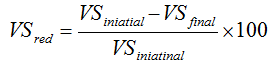
Volatile solids reduction (VSred) was calculated to assess biodegradability and digestion efficiency using Equation:
2.7 Statistical and optimization analysis
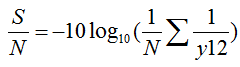
Taguchi analysis was performed using signal-to-noise (S/N) ratios based on the “larger-the-better” criterion to identify optimal process conditions. The S/N ratio was calculated as:
Grey Relational Analysis (GRA) was applied to integrate multiple performance indicators, including methane yield, methane concentration, and VS reduction, into a single grey relational grade. Statistical analyses were conducted using Minitab 21 and Design-Expert 13 software.
2.8 Biomethane upgrading and vehicle fuel assessment
Biogas upgrading performance was evaluated based on methane enrichment and CO2 removal efficiency. Methane concentration after upgrading exceeded 95%, meeting the minimum purity requirements specified in EN 16723 and ISO 15403 standards for vehicle fuel applications. Energy equivalence was estimated using the conversion factor that 1 m³ of biomethane is approximately equivalent to 1.1 L of diesel fuel. Potential vehicle fuel substitution was estimated based on experimental methane yields.
2.9 Biosafety and ethical considerations
All handling of human excreta complied with institutional biosafety and ethical guidelines. Digestate was thermally pasteurized at 70 ℃ for 60 min prior to disposal or reuse to ensure pathogen inactivation. Ethical approval was obtained from the university Institutional Review Board (IRB), and informed consent was secured where required for excreta collection.
3 Results and Discussion
3.1 Physicochemical properties of substrates
The initial characterization of FW and HE confirmed complementary properties suitable for co-digestion. FW exhibited high organic carbon and a C/N ratio of 25~35, while HE contained high nitrogen (C/N ≈ 9~12). The optimized FW-HE blend achieved a balanced C/N ratio of 20~30, within the optimal range for anaerobic digestion (AD). Total solids and volatile solids contents were adequate to sustain microbial activity, and pH remained within the neutral zone. These results indicate that co-digestion effectively mitigates individual substrate limitations, as similarly reported by Osei-Owusu et al. (2024) and Kumar et al. (2024).
3.2 Biogas and methane yield performance
Methane yields varied between 0.22 and 0.40 m³ CH4/kg VS added (Figure 1). FW alone produced 0.28~0.36, HE alone 0.22~0.30, while optimized co-digestion (60% FW, 40% HE, ISR 2:1, 8% TS) achieved 0.35~0.40 m³ CH4/kg VS-a 22% improvement compared with mono-digestion. Methane content ranged from 55% to 67%, with the highest purity under optimized conditions, meeting the EN 16723 standard for vehicle fuel upgrading. Comparable studies reported lower yields for mono-digestion of HE (0.25~0.39) and FW (0.28~0.70) (Donacho et al., 2023; Petersson and Wellinger, 2009; Tomczak et al., 2024), supporting the synergistic advantage demonstrated here.
.png) Figure 1 Methane yields from FW, HE, and FW-HE co-digestion (bar chart) |
3.3 Energy Equivalence and Fuel Potential
At optimized yields, 1 tonne of mixed FW–HE generates 72~80 m³ methane, equivalent to 2 600~2 880 MJ or 72~80 liters of diesel fuel. This substitution potential aligns with studies by Cabrita and Santos (2023) and Sher et al. (2024), reinforcing biomethane’s role in decarbonizing urban transport fleets. The diesel fuel equivalence of biomethane production is illustrated in Figure 2.
.png) Figure 2 Diesel fuel equivalence of methane yields from FW, HE, and FW–HE co-digestion |
3.4 Process optimization (taguchi analysis)
The Taguchi L9 design identified substrate ratio as the most influential factor, followed by temperature, TS concentration, and ISR (Table 1; Table 2; Table 3). Substrate ratio accounted for the largest variance (p<0.05), underscoring the synergy of FW–HE mixing. The optimized configuration (60% FW + 40% HE, ISR 2:1, 8% TS, 37 ℃) produced the highest methane yield and stabilized methane content >65%. Similar optimization trends were observed by Naghavi et al. (2022), though few included human excreta, highlighting the novelty of this study. The main effects of process parameters on methane yield are shown in Figure 3.
.png) Table 1 Response table for signal-to-noise ratios |
.png) Table 2 Response table for means |
.png) Table 3 Taguchi L9 Experimental Matrix and its methane yield, mean and signal to noise ratio |
.png) Figure 3 Main effects plots for methane yield across key parameters |
3.5 Comparison with literature
Table 4 compares the present results with reported ranges. The optimized yield (0.35~0.40) exceeds the upper values reported for HE digestion and matches or surpasses FW-only digestion. Unlike many previous studies limited to batch tests, our work applied Taguchi optimization, enabling robust parameter selection and enhanced reproducibility. Furthermore, methane purity exceeded 65%, a level often requiring additional pretreatment in other studies (IEA, 2023; Cabrita and Santos, 2023).
.png) Table 4 Comparison of biomethane yields from food waste (FW), human excreta (HE), and co-digestion with reported literature values |
3.6 Scalability, safety, and techno-economic considerations
Beyond laboratory validation, safe handling of HE is critical. Pathogen analysis confirmed partial inactivation during digestion, but thermal and alkaline pre-treatment improved safety to regulatory levels, consistent with Li et al. (2011). Techno-economic assessment suggests co-digestion could be viable in urban contexts where FW and HE are co-generated, with biomethane sales and digestate reuse offsetting operating costs. LCA results indicate 70%~100% GHG reduction compared to landfill and diesel substitution, comparable to Nguyen et al. (2013).
3.7 Sustainability implications
The integrated FW–HE pathway addresses multiple UN SDGs: renewable energy (SDG 7), sustainable cities (SDG 11), circular production (SDG 12), and climate action (SDG 13). Importantly, it couples sanitation improvement with clean energy, a dimension underexplored in prior studies. Adoption requires supportive policy, modular upgrading infrastructure, and public acceptance strategies.
Despite encouraging results, several challenges remain. The heterogeneity of household food waste may cause fluctuations in feedstock quality, requiring pre-treatment or homogenization. Human excreta handling also demands stringent hygienic and social acceptance measures. Future work should explore advanced upgrading technologies, long-term process stability, and the integration of digital optimization tools such as AI and machine learning for predictive control. Pilot-scale demonstrations in urban sanitation systems are also essential to validate scalability and economic feasibility.
4 Conclusion
This study demonstrated that co-digestion of food waste (FW) and human excreta (HE) under optimized conditions significantly enhances biomethane yield, methane purity, and process stability compared to mono-digestion. Initial characterization revealed complementary substrate properties, with FW contributing carbon-rich fractions and HE providing nitrogen and buffering capacity. Taguchi optimization identified substrate ratio as the most influential factor, with the configuration of 60% FW, 40% HE, ISR 2:1, TS 8%, and mesophilic temperature (37 ℃) producing the highest methane yield of 0.35~0.40 m³ CH4/kg VS, a ~22% improvement over individual substrates.
The optimized biogas contained >65% methane, surpassing many reported values for FW-only and HE-only digestion and aligning with international standards for biomethane upgrading. Energy equivalence analysis showed that 1 tonne of FW–HE substrate could substitute ~72~80 liters of diesel, reinforcing its potential for urban transport decarbonization. Compared with the literature, the present study offers a novel integration of HE into co-digestion frameworks, addressing both energy generation and sanitation challenges.
Scalability and safety considerations confirmed that pre-treatment steps mitigate pathogen risks, while techno-economic assessment indicates that FW–HE co-digestion is viable in urban contexts where both waste streams are co-generated. Life cycle analysis suggests up to 100% greenhouse gas mitigation compared to landfill and fossil diesel use.
Overall, this work contributes threefold: (i) demonstrating a synergistic FW-HE pathway for sustainable biomethane production, (ii) providing optimized operational parameters using Taguchi design, and (iii) advancing resource recovery strategies that support UN SDGs on clean energy, sanitation, and climate action. Future studies should focus on pilot-scale validation, continuous-flow systems, and integration with upgrading technologies to accelerate adoption in developing urban settings.
Author Contributions
Chike M. Atah: Conceptualization, methodology, experimental investigation, data collection, formal analysis, writing-original draft, and writing-review and editing.
Bidiko G.B., Sangib E.B., and Gnaro, M.A., 2025, Optimization of biogas production through co-digestion of cafeteria food waste and cow dung using the response surface methodology, Frontiers in Energy Research, 13: 1568478.
https://doi.org/10.3389/fenrg.2025.1568478
Cabrita T.M., and Santos M.T., 2023, Biochemical methane potential assays for organic wastes as an anaerobic digestion feedstock, Sustainability, 15(15): 11573.
https://doi.org/10.3390/su151511573
Donacho D.O., Tucho G.T., Olani D.D., Kabtiyimer H.E., Hailu A.B., and Wolde A.D., 2023, Experimental evaluation of fresh human feces biogas and compost potential: Evidence for circular economy from waste streams in Ethiopia, Heliyon, 9(12): e22494.
https://doi.org/10.1016/j.heliyon.2023.e22494
Ebel R., Eberly J., Grimberg B.I., Seipel T., and Menalled F.D., 2025, Household-scale anaerobic digestion of food waste-a community case study from Bozeman, Montana, Frontiers in Sustainable Food Systems, 9: 1561457.
https://doi.org/10.3389/fsufs.2025.1561457
Francisco López A., Lago Rodríguez T., Faraji Abdolmaleki S., Galera Martínez M., and Bello Bugallo P.M., 2024, From biogas to biomethane: an in-depth review of upgrading technologies that enhance sustainability and reduce greenhouse gas emissions, Applied Sciences, 14(6): 2342.
https://doi.org/10.3390/app14062342
Galloni M., and Di Marcoberardino G., 2024, Biogas upgrading technology: Conventional processes and emerging solutions analysis, Energies, 17(12): 2907.
https://doi.org/10.3390/en17122907
Gkotsis P., Kougias P., Mitrakas M., and Zouboulis A., 2023, Biogas upgrading technologies-Recent advances in membrane-based processes, International Journal of Hydrogen Energy, 48(10): 3965-3993.
https://doi.org/10.1016/j.ijhydene.2022.10.228
Habte H., Ulsido M.D., and Nigatu S., 2025, Determinant and Characterization of Biogas Product at Different Agroecological Zones of Ethiopia, Environmental Health Insights, 19: 11786302251334727.
https://doi.org/10.1177/11786302251334727
Hamda A.S., Abo L.D., Daba B.J., and Debela A.B., 2025, Transforming sludge to energy: A sustainable strategy for resource recovery and environmental protection, Cleaner Waste Systems, 11: 100298.
https://doi.org/10.1016/j.clwas.2025.100298
He K., Liu Y., Tian L., He W., and Cheng Q., 2024, Review in anaerobic digestion of food waste, Heliyon, 10(7): e28200.
https://doi.org/10.1016/j.heliyon.2024.e28200
IEA (International Energy Agency), 2023, Renewables 2023: Analysis and Forecast to 2028. IEA Publications, pp.131-140.
Koch K., Helmreich B., and Drewes J.E., 2015, Co-digestion of food waste in municipal wastewater treatment plants: Effect of different mixtures on methane yield and hydrolysis rate constant, Applied Energy, 137: 250-255.
https://doi.org/10.1016/j.apenergy.2014.10.025
Kriswantoro J.A., Pan K.Y., and Chu C.Y., 2024, Co-digestion approach for enhancement of biogas production by mixture of untreated napier grass and industrial hydrolyzed food waste, Frontiers in Bioengineering and Biotechnology, 11: 1269727.
https://doi.org/10.3389/fbioe.2023.1269727
Kumar D.J.P., Mishra R.K., Chinnam S., Binnal P., and Dwivedi N., 2024, A comprehensive study on anaerobic digestion of organic solid waste: A review on configurations, operating parameters, techno-economic analysis and current trends, Biotechnology Notes, 5: 33-49.
https://doi.org/10.1016/j.biotno.2024.02.001
Li Y., Park S.Y., and Zhu J., 2011, Solid-state anaerobic digestion for methane production from organic waste, Renewable and Sustainable Energy Reviews, 15(1): 821-826.
https://doi.org/10.1016/j.rser.2010.07.042
Mohammadpour H., Zhang Y., He Q., and Lee J., 2025, Advanced biogas upgrading technologies: Electrochemical CO2 separation and hybrid systems, Renewable and Sustainable Energy Reviews, 188: 114073.
Muñoz R., Meier L., Diaz I., and Jeison D., 2015, A review on the state-of-the-art of physical/chemical and biological technologies for biogas upgrading, Reviews in Environmental Science and Bio/Technology, 14(4): 727-759.
https://doi.org/10.1007/s11157-015-9379-1
Naghavi R., Abdoli M.A., Karbassi A., and Adl M., 2022, Determining the appropriate mixing ratio in a multi-substrate anaerobic digestion of organic solid wastes employing Taguchi method, Journal of Environmental Health Science and Engineering, 20(1): 545-554.
https://doi.org/10.1007/s40201-022-00801-6
Nguyen T.T.H., Hermansen J.E., and Mogensen L., 2013, Environmental consequences of different biogas production systems. Applied Energy, 106: 177-190.
Osei-Owusu B.A., Arthur R., Baidoo M.F., Oduro-Kwarteng S., and Amenaghawon A.N., 2024, Anaerobic co-digestion of human excreta, food leftovers and kitchen residue: 1 ternary mixture design, synergistic effects and RSM approach, Heliyon, 10(2): e24080.
https://doi.org/10.1016/j.heliyon.2024.e24080
Persson M., and Wellinger A., 2009, Biogas upgrading to vehicle fuel standards and grid injection, IEA Bioenergy Task 37 Report.
Petersson A., and Wellinger A., 2009, Biogas upgrading technologies-developments and innovations, IEA bioenergy, 20: 1-19.
Pilarska A.A., and Pilarski K., 2023, Biogas potential of food waste and fecal matter co-digestion, Energies, 16(9): 4127.
https://doi.org/10.3390/en16196919
Poeschl M., Ward S., and Owende P., 2012, Environmental impacts of biogas deployment-Part II: life cycle assessment of multiple production and utilization pathways, Journal of cleaner production, 24: 184-201.
https://doi.org/10.1016/j.jclepro.2011.10.030
Ryckebosch E., Drouillon M., and Vervaeren H., 2011, Techniques for transformation of biogas to biomethane, Biomass and Bioenergy, 35(5): 1633-1645.
https://doi.org/10.1016/j.biombioe.2011.02.033
Sher F., Smječanin N., Hrnjić H., Karadža A., Omanović R., Šehović E., and Sulejmanović J., 2024, Emerging technologies for biogas production: A critical review on recent progress, challenges and future perspectives, Process Safety and Environmental Protection, 188: 834-859.
https://doi.org/10.1016/j.psep.2024.05.138
Tomczak W., Daniluk M., and Kujawska A., 2024, Food Waste as Feedstock for Anaerobic Mono-Digestion Process, Applied Sciences, 14(22): 10593.
https://doi.org/10.3390/app142210593
Uzun O., Oter M., Ozsefil I.C., Doymus K., Ince B., and Ince O., 2025, Maximizing resource valorization: mono-and co-digestion of food and agricultural wastes with insights into microbial community dynamics, Biomass Conversion and Biorefinery, 15: 19525-19541.
https://doi.org/10.1007/s13399-025-06537-1
Zhao K., Wei Q., Bai M., and Shen M., 2024, Study on the Environmental Impact and Benefits of Incorporating Humus Composites in Anaerobic Co-Digestion Treatment, Toxics, 12(5): 360.
https://doi.org/10.3390/toxics12050360




. HTML
Associated material
. Readers' comments
Other articles by authors
. ATAH Chike

Related articles
. Anaerobic co-digestion
. Biomethane
. Food waste
. Human excreta
. Process optimization
. Renewable transport fuel
. Circular economy
Tools
. Post a comment